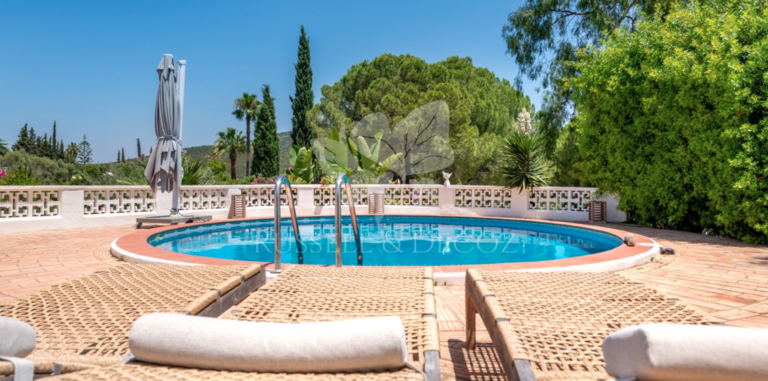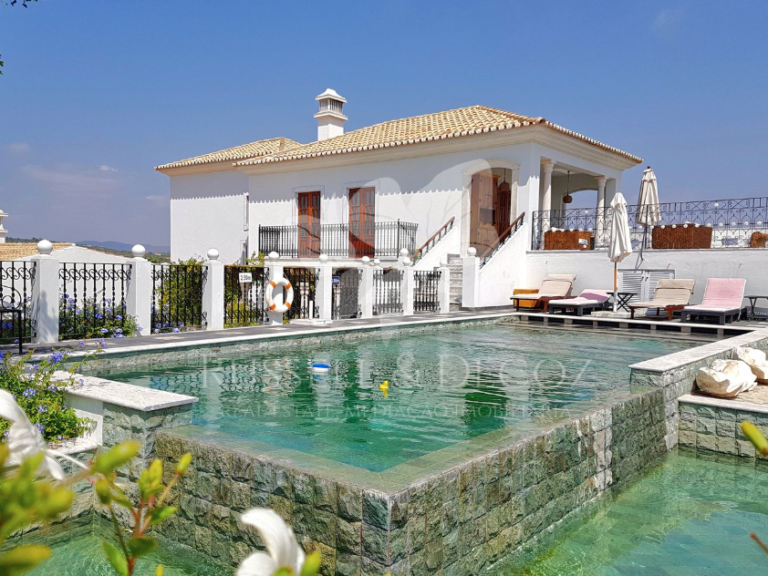

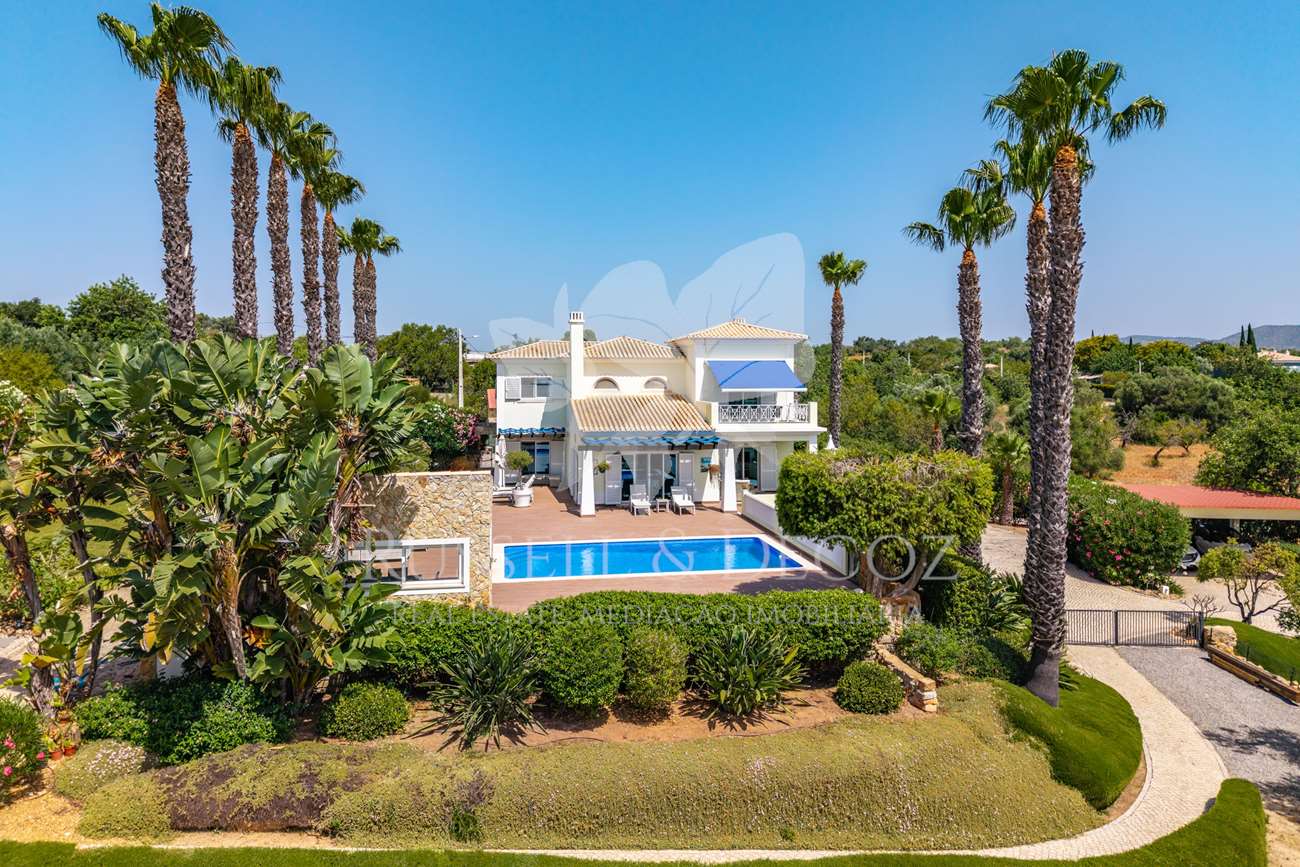
The eastern Algarve has three property patches that international buyers usually consider together: Olhão, Fuseta and Moncarapacho. They sit within twelve kilometres of each other, share a market town economy, and get discussed in the same sentence by most buyers. The kind of buyer drawn to each, and the daily life each delivers, are different enough that it matters which one you pick in 2026, especially when exploring property for sale in Olhao and comparing the lifestyle benefits of each location.
This piece sets out who buys in each, why inland Moncarapacho often pulls a different shortlist than the coastal towns, and where the trade-offs are sharpest.
The Geographic and Lifestyle Distinction
Olhão is a working port town on the edge of the Ria Formosa natural park. It is a working fishing port with a daily market and an older grid of streets behind the marina. International buyers who choose Olhão want urban texture and the ability to walk to cafés, restaurants and the marina day-to-day. The town’s amenities are well documented by the Câmara Municipal de Olhão, which has invested steadily in waterfront and marina infrastructure over the last decade.
Fuseta sits eight kilometres east of Olhão, also on the Ria Formosa, but quieter, smaller and more village in character. The fishing economy is still active, and while many visitors take the short boat across to the island beaches, Fuseta also has its own lagoon beach directly within the village. The rhythm of daily life is markedly slower. Most Fuseta buyers visited Olhão first and decided they wanted a calmer version of the same setting.
The buyer in Moncarapacho is usually looking for countryside property with land, a Portuguese village rather than a tourist promenade nearby, and easy access to the coast, with Fuseta typically around a 10–15 minute drive away.
Who Buys in Each, and Why
The buyer pools overlap but the centre of gravity in each is different.
- Olhão attracts a high share of Northern European buyers, particularly from the Netherlands, Belgium, Germany and the UK. Many come from a city background in their home country and are looking for a character property in a working Portuguese town, with the Ria Formosa as the backdrop.
- Fuseta sees a smaller, more concentrated pool. Buyers are often returners, having spent earlier holidays there, and tend to be retired or semi-retired. The Scandinavian share is noticeably higher here than in Olhão.
- Moncarapacho draws buyers looking for a country property with land. Belgian, Dutch and French buyers are well represented, alongside a smaller UK and Irish contingent. The expectation is usually a quinta, a renovated farmhouse, or a detached country villa with private outdoor space.
Practical day-to-day differs too. An Olhão owner walks to the supermarket and the cafés; a Fuseta owner has fewer immediate services and uses the car more; a Moncarapacho owner needs a car for almost everything and tends to plan a weekly run for groceries, with the coast a short drive away when needed.
Property Stock and Price Profile
The property stock matches the character of each location.
- Olhão’s stock of interest to international buyers is built around renovated town houses behind the marina (€400,000 to €750,000), older character properties in the bairro suitable for restoration (€200,000 to €450,000), and the occasional waterfront or marina-side home that comes to market rarely. New build is constrained by the town’s historic fabric, so the most interesting properties tend to be older and individual rather than off-the-shelf.
- Fuseta has a thinner market, with character town houses in the village (€280,000 to €500,000) and a small number of modernised properties along the lagoon edge. Stock turnover is slow and the best listings move quickly when they come up.
- Moncarapacho is the most varied of the three. Country villas with land (€500,000 to €1,100,000), quintas in need of restoration (€180,000 to €350,000 before works), character village houses (€180,000 to €320,000) and individual plots with planning come to market through the year. The patch suits buyers wanting a unique property with land, or willing to take on a restoration project.
The growth forecast for the Algarve for 2026 supports the broader east Algarve direction, but within the three patches Moncarapacho has the widest spread of possibilities for buyers with different budgets and renovation tolerances.
Where the Trade Offs Are Sharpest
Two trade offs come up repeatedly in conversations with buyers shortlisting between these three locations.
The first is connectivity and convenience. Olhão has a railway station and the immediate access to restaurants, supermarkets and services that village living does not provide. Fuseta is quieter but well linked by road. Moncarapacho needs a car for almost everything, and buyers used to walking to a corner shop need to adjust their daily routine.
The second is the texture of community. Olhão’s international community is active and visible, with foreign-owned cafés and a steady flow of visitors. Moncarapacho’s is smaller and more rural, with the international owners integrated into village life rather than forming a separate scene. Buyers wanting day-to-day social contact with other internationals tend to choose Olhão; buyers wanting Portuguese village rhythm tend to choose Moncarapacho.
The Ria Formosa itself is the third factor. The natural park along the coast is a persistent constraint on development, and properties within view of the lagoon command a premium that inland properties cannot match. For inland buyers this often suits them; the countryside north of Olhão carries lower water and tourism pressure than the lagoon edge.
Summary
Moncarapacho, Olhão and Fuseta are three distinct options within twelve kilometres of each other, and they suit different buyers. For most people shortlisting the east Algarve in 2026, the right town becomes obvious after a few days spent in each at different times of day. We work across all three and are happy to walk through the comparison in detail.
If you are looking at the Olhão, Fuseta or Moncarapacho area for a 2026 purchase and would like an honest read on which suits your situation, please get in touch.