
Most buyers who come to the eastern Algarve start on the coast and work inland only once they have seen the prices. São Brás de Alportel rewards that second look. Fifteen minutes up from Olhão and Faro, set in the cork hills where the lowland meets the Serra do Caldeirão, it is a working market town rather than a resort, and it offers space, a cooler summer and a year round community at figures that undercut the shoreline. This is a guide to what the town offers a buyer in 2026, the kind of property that comes up, and what a purchase here actually involves.
A Working Town in the Cork Hills
São Brás de Alportel built its name on cork, and the trade still shapes the place. The centre is compact and genuinely lived in, with a Saturday market, everyday shops, cafes and a long established foreign community woven into local life rather than set apart from it. The elevation matters more than buyers expect. Sitting back from the coast and a little higher, the town stays noticeably cooler through July and August than Olhão or Faro, which is part of why so many people who intend to live here year round settle on it. It is authentic without being remote, and that balance is its main draw.
The Kind of Property You Find
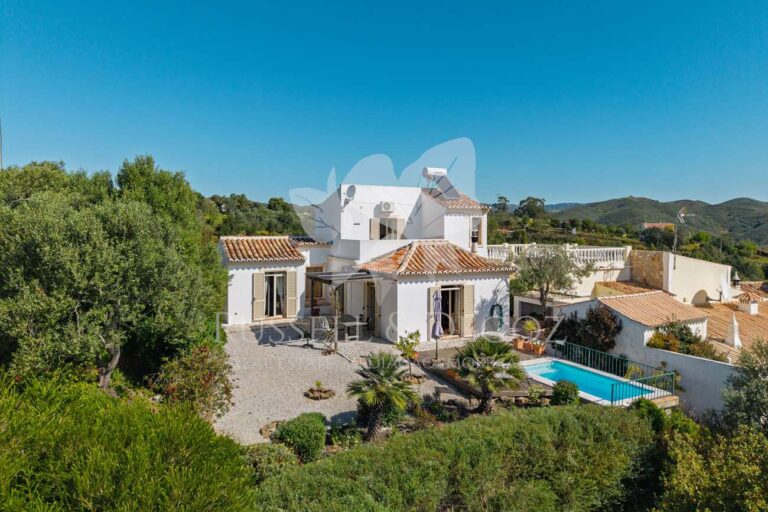
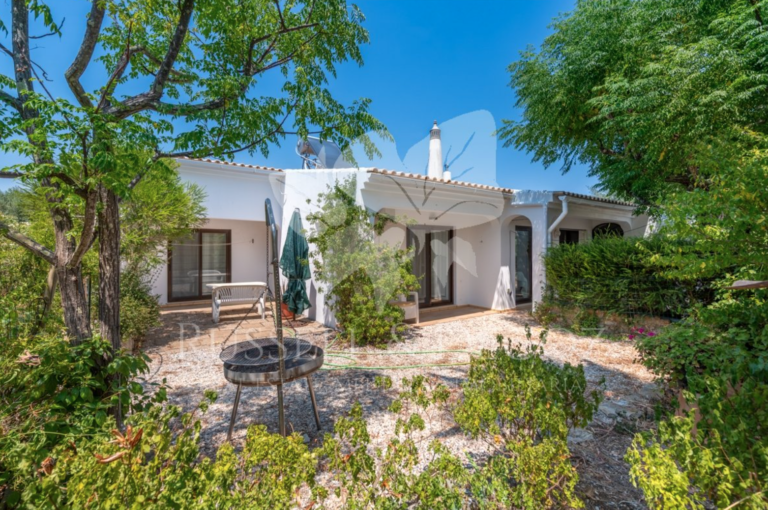
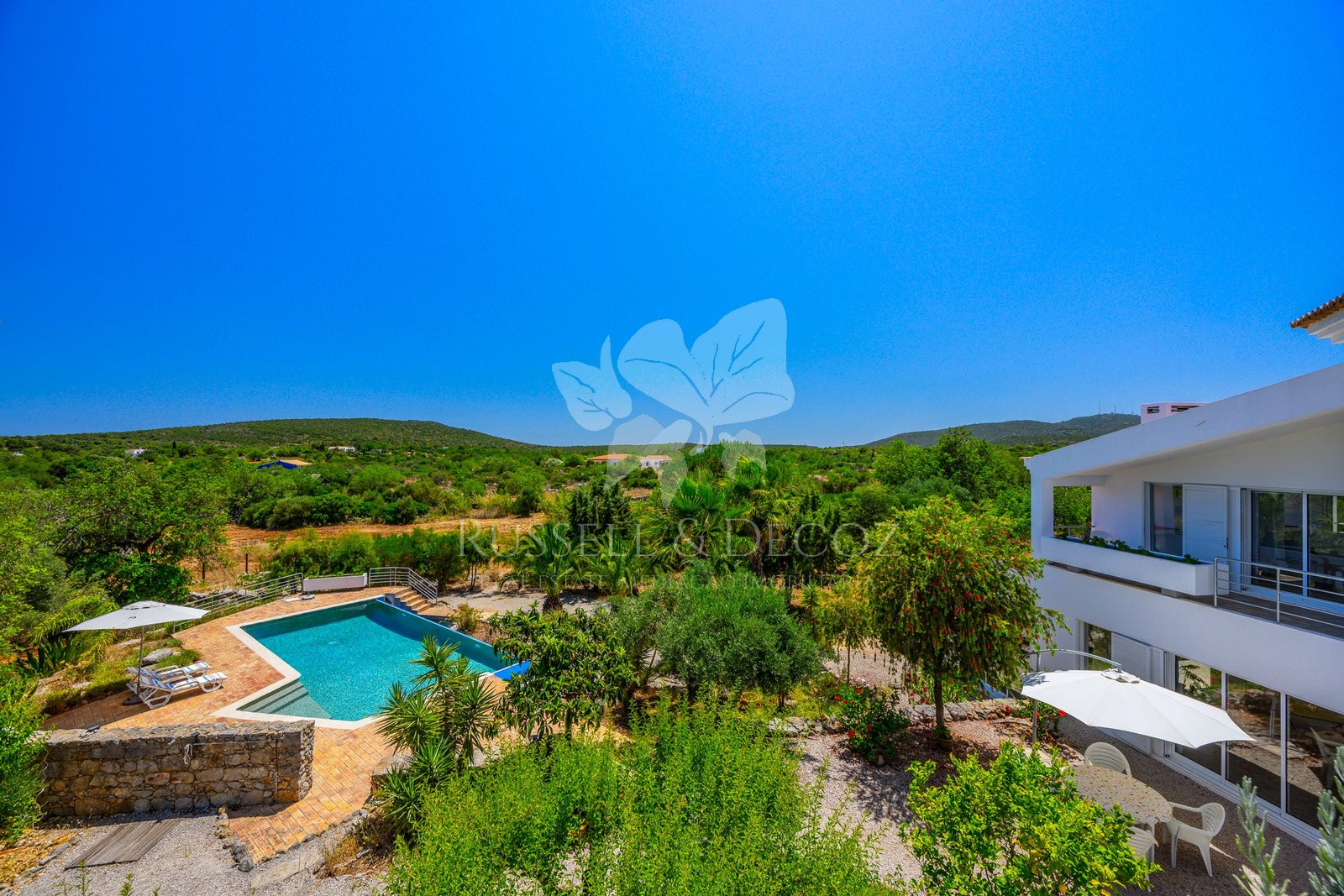
The stock here is broader than the coastal cube house that dominates the rest of the eastern Algarve. In and around the centre you find townhouses and modern apartments within walking distance of the shops, while the outskirts hold detached villas with pools and country views, and the surrounding hills carry traditional quintas and farmhouses with land. That spread lets a buyer trade position for space in a way the coast rarely allows.
On our own reading of current asking prices rather than any formal valuation, central apartments and townhouses tend to open around 250,000 Euros and run to roughly 400,000 Euros, detached villas with a pool on the edge of town sit broadly between 500,000 and 900,000 Euros, and country quintas with land and a distant sea view reach higher again. These are indicative bands that move sharply with condition, plot size and outlook, and the better homes in a thin inland market tend to sell before they circulate widely.
Who Is Buying Inland and Why
The buyers who choose São Brás over the coast are usually after one of three things, and often all of them. Space and a garden for the money, a genuine town that functions outside the summer season, and a calmer pace a short drive from the beach rather than on top of it. Dutch, German, British and a growing number of other northern European buyers are active here, a mix of retirees, remote workers and families buying a main home. The common thread is that they are buying somewhere to live rather than a summer lock up and leave, and the town suits that intention.
Access and Everyday Life
For an inland town the connections are strong. Faro and its international airport sit about twenty minutes away by car, Loulé and the central Algarve are an easy drive, and the beaches around Faro and Fuseta are within twenty to twenty five minutes when you want them. The town is the starting point of the EN2, the road that runs the length of Portugal, and it holds the healthcare, schools and services that make year round living workable. For a buyer weighing a permanent move, that combination of quiet and access is the practical case for the town.
What a Purchase Costs
The headline tax on any Portuguese purchase is IMT, the municipal transfer tax. It is progressive, it is charged on the higher of the price or the rateable value, and it applies to residents and non residents alike, with the rate turning on how the property will be used rather than on where the buyer lives. A permanent home carries a zero band at the bottom of the scale, while a holiday home is taxed from the first Euro. The much quoted 7.5 per cent is only the top marginal band, reached on the slice of a price above roughly 1,150,853 Euros, so it does not touch the typical São Brás home. The current brackets are published in the Portuguese tax authority's Código do IMT. Stamp duty adds 0.8 per cent, and once notary, registration and legal fees are counted, most overseas buyers should budget somewhere between 7 and 10 per cent of the price for the whole acquisition. The legal due diligence sits with your own lawyer.
Residency as a Separate Question
Buying here does not require residency, and many owners keep a home in the town while remaining tax resident elsewhere. For those who do want to live in Portugal, the usual routes are the D7 passive income visa and the D8 digital nomad visa, both assessed on income rather than on owning a home and both handled by the immigration agency AIMA. The older non habitual resident tax regime closed to new entrants in 2024, so it should not feature in anyone's planning. The residency decision runs on its own timetable and is best treated separately from the purchase itself.
Weighing the Town Against the Coast
São Brás de Alportel will not suit a buyer who wants to walk from the front door to the sand. For everyone else it offers a rare combination in the 2026 Algarve, a real town with a year round life, more house and land for the budget than the coast allows, and airport and beach both within easy reach. If that is the trade you are weighing, it is worth seeing the place out of season when its character shows most clearly. You can browse our current property for sale in São Brás de Alportel, and we are happy to talk through which part of the town and its surrounding hills would best fit the life you have in mind.