

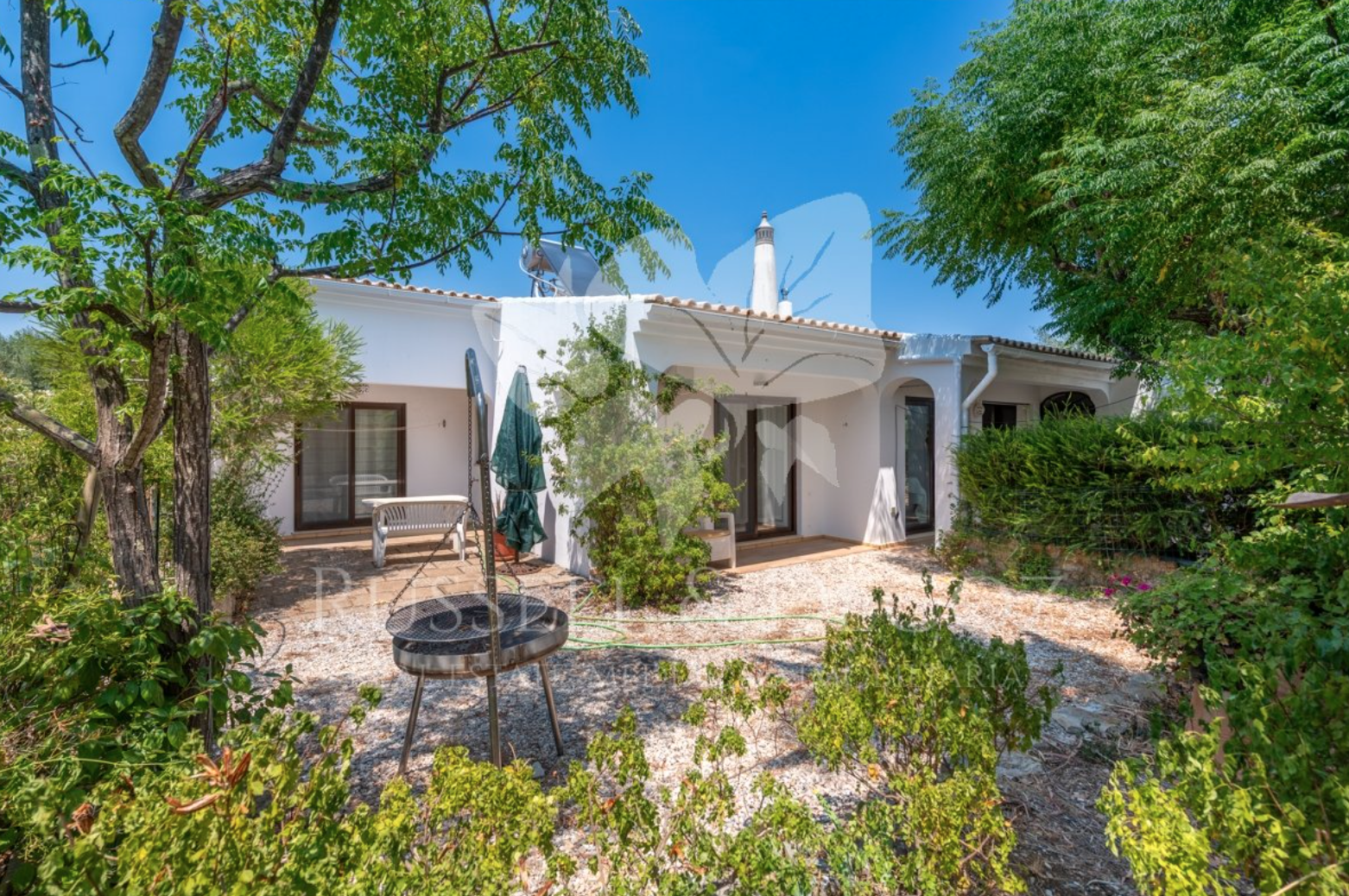
Buying an older house in the eastern Algarve follows a clear sequence, and understanding it early saves time once you find the right property. The larger single houses around Olhão, the restored village homes near Fuseta and the rural quintas towards Moncarapacho often carry decades of paperwork, so the order in which you complete each step matters more here than it would on a new build. This guide sets out how a purchase moves from an accepted offer to registered ownership in 2026.
Most international buyers work through the same stages, whether they are relocating full time or buying a second home. Buyers who begin their search among the listings of Olhão property for sale are usually weighing a townhouse in the historic centre against a quinta that needs work, and each of those choices changes the checks that follow. From an accepted offer to a signed deed, a straightforward purchase in the area typically takes six to twelve weeks, and longer if a mortgage or a document correction is involved.
Start With a Tax Number and a Bank Account
The first practical step is a Portuguese tax number, the número de identificação fiscal or NIF. You cannot sign a purchase, connect utilities or pay property tax without one, and it is issued through the Portuguese tax authority. Buyers resident outside the European Union usually appoint a fiscal representative to hold the number, which a local lawyer or accountant can arrange in a few days.
A Portuguese bank account is not strictly required to complete a purchase, but it makes deposits, tax payments and later running costs far simpler. Opening one is straightforward once you hold a NIF and can show proof of address and income. Many buyers set both up on an early viewing trip so the rest of the process is not held up when the right house appears.
The Reservation and the Promissory Contract
Once an offer is accepted, a property is often taken off the market with a short reservation agreement and a small holding deposit. This is an informal step and is not the binding stage. The contract that commits both sides is the contrato promessa de compra e venda, the promissory contract of sale, and it is where the purchase becomes real.
At the promissory contract the buyer normally pays a deposit, the sinal, commonly between 10 and 30 per cent of the price. The deposit does real work. If the buyer withdraws without cause the sinal is usually lost, and if the seller withdraws the buyer is normally entitled to the sum returned at double under the Civil Code. The contract also fixes the completion date and any conditions, such as a mortgage approval or a specific repair being carried out before the deed.
The Documents That Matter Most on an Older House
Older character houses are where careful document checks earn their keep. Three records should agree with each other and with the house in front of you, and on a property that has been extended or altered over the years they do not always match. The key papers to review before you commit are the following.
- The caderneta predial held at the tax office, which describes the property and sets its tax value
- The certidão permanente from the land registry, the Conservatória do Registo Predial, which shows who owns the house and any charges or mortgages against it
- The licença de utilização from the town hall, which confirms the building is approved for its current use
- A valid energy certificate, which is required before any sale can complete
A room added decades ago may not appear on the use licence, or the registered floor area may differ from the tax record. None of this is unusual and most issues can be resolved, but they need to be found before the deed rather than after. Since January 2024 the Ficha Técnica de Habitação is no longer needed at the deed for existing homes, though the use licence and the energy certificate still are.
The Deed and the Taxes Due at Completion
Completion happens at the escritura pública de compra e venda, the public deed, signed before a notary. Many transactions instead use an authenticated private document through a lawyer or the state Casa Pronta service, which has the same legal effect and can register the sale on the same day. The balance of the price is paid at this point and the keys change hands.
The main purchase tax is Imposto Municipal sobre as Transmissões, or IMT, charged on the higher of the price or the tax value and applied regardless of where the buyer lives. On a home bought as a permanent residence the scale begins at zero up to around €106,346 and then rises in bands, with the top rate of 7.5 per cent reached only on homes above roughly €1.15 million. A holiday or second home follows a similar scale but is taxed from the first Euro. Stamp duty of 0.8 per cent applies on top, and once notary and registration fees are added most buyers budget between 7 and 10 per cent of the price for the full set of acquisition costs. A fuller breakdown sits in our guide to purchase costs and taxes.
After You Own the House
Registration at the land registry in your name is the step that makes ownership public and secure, and with Casa Pronta it is often completed as the deed is signed. After that the practical tasks are transferring water, electricity and any local charges into your name, and setting up the annual municipal property tax, the IMI, which is billed in instalments through the year.
Buyers who are relocating rather than holidaying will also deal with residency, which for non European Union nationals runs through AIMA, the agency that replaced the former immigration service. That is a separate track from the purchase itself and does not hold up the deed, but it is worth starting early if the house is to become a main home.
The steps rarely change, but older houses in Olhão, Fuseta and Moncarapacho reward buyers who work through them in order and check the paperwork properly before the deposit is committed. Most delays come from documents that surface late, not from the tax or the notary. If you are weighing a specific house in the area, we can guide you through each stage as your selling and buying agent and flag anything on a property that needs resolving before you commit.