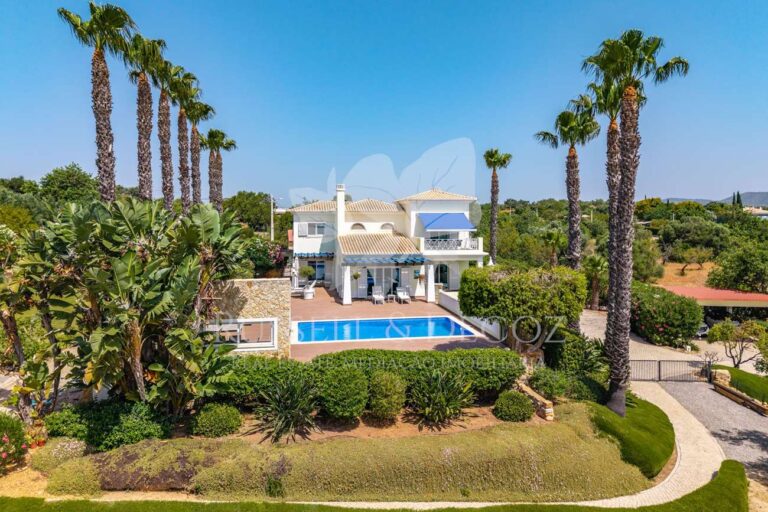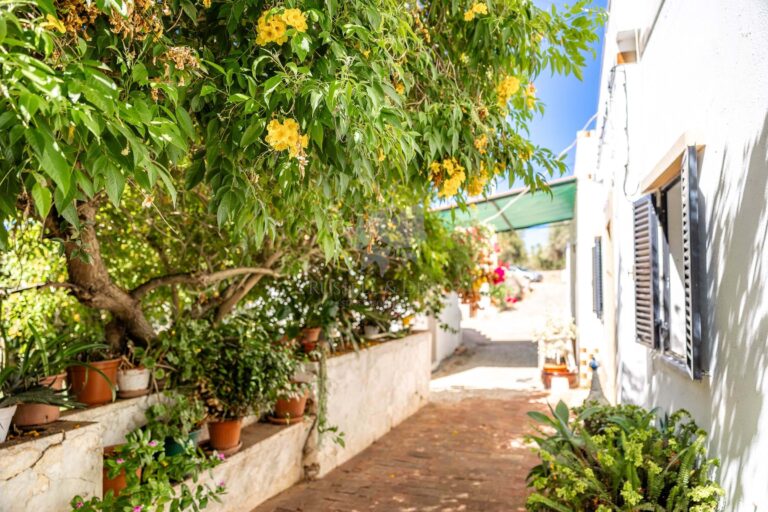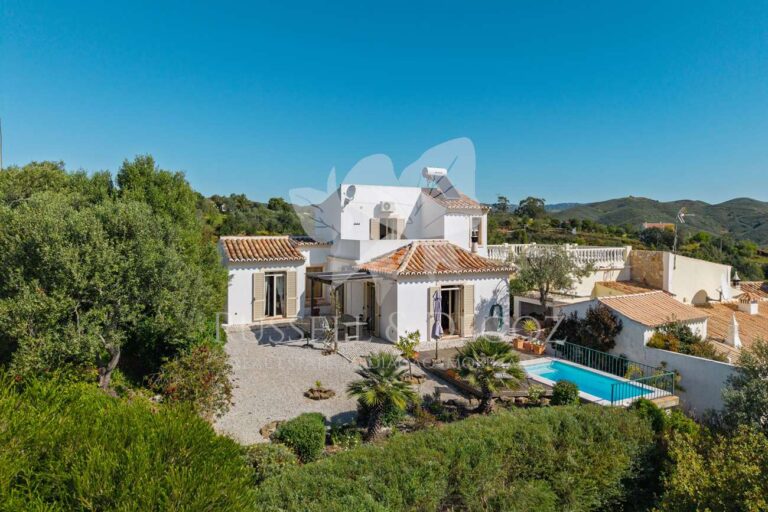

A larger character house in the eastern Algarve carries a different cost profile once the purchase is done. The headline price is only part of the picture, and the annual outgoings on a detached single house with a courtyard, an açoteia roof terrace and a plot of land differ from what an apartment owner pays. Buyers moving from a British house or a Lisbon flat often ask what a full year of ownership actually costs around Olhão, Fuseta and Moncarapacho, and the honest answer sits well below what most people expect. This guide sets out the fixed and flexible costs so you can build a realistic budget before you commit.
How the annual property tax is calculated
Municipal property tax, known as IMI, is charged each year on the tax value of the home rather than its market price. That tax value, the VPT, is set by the Finanças and usually lands a long way under what a character house would fetch on the open market, which keeps the yearly bill modest. Municipal councils choose an urban rate between 0.3 and 0.45 percent of VPT, and the councils across the Faro district tend to sit near the lower end of that band. A restored townhouse with a VPT of 180,000 Euros therefore attracts a few hundred Euros a year rather than the thousands a market value calculation would imply. You can check any assessment through the Portal das Finanças, and the bill arrives from late April with payment split across May, August and November once it passes 500 Euros. If you feel the VPT on a house looks high relative to comparable homes nearby, a reassessment can be requested, and buyers of older character houses sometimes find the figure has not been revised for years.
The additional tax on higher values
Owners of more valuable holdings also face AIMI, the additional charge that applies to the combined VPT of residential property above 600,000 Euros per individual, or 1.2 million Euros for a couple who file together. The rate on the excess is 0.7 percent, so a single larger character house is rarely caught unless it sits at the very top of the market or forms part of a wider portfolio. For most buyers of a family home around Olhão, AIMI never enters the calculation at all. It is still worth confirming the position early, because the charge follows the tax value across everything you own rather than any one property.
Insurance on a standalone house
Insurance works differently for a detached property than for a flat. Fire cover is compulsory only for apartments inside a condominium under the Civil Code, so a standalone character house carries no legal obligation to insure. Most owners take buildings and contents cover anyway, and premiums on a traditional house of this size generally run a few hundred Euros a year depending on rebuild value and whether you add a pool or outbuildings. There is no condominium fee to pay either, which removes a recurring cost that apartment buyers in the same towns cannot avoid. That absence of shared charges is one of the quieter advantages of the single house stock, and it also means you control the timing and standard of any work rather than waiting on a residents association to agree a budget.
Maintaining a traditional roof and thick walls
The running cost that catches newcomers out is upkeep on traditional fabric. Many larger houses in these towns carry a flat roof and an açoteia terrace finished in lime and tile, and that surface needs periodic sealing to keep winter rain out of the thick masonry walls below. Budgeting for a roof inspection every couple of years, and recoating when needed, protects the structure and avoids the damp problems that neglected açoteias tend to develop. Original features such as timber shutters, platibanda cornices and decorative tiling reward regular attention, and a local builder who understands lime rendering is worth more than a cheaper generalist. None of this is expensive on a yearly basis, but it is steady, and a house left unattended between visits usually costs more to put right later.
Water, energy and the outside space
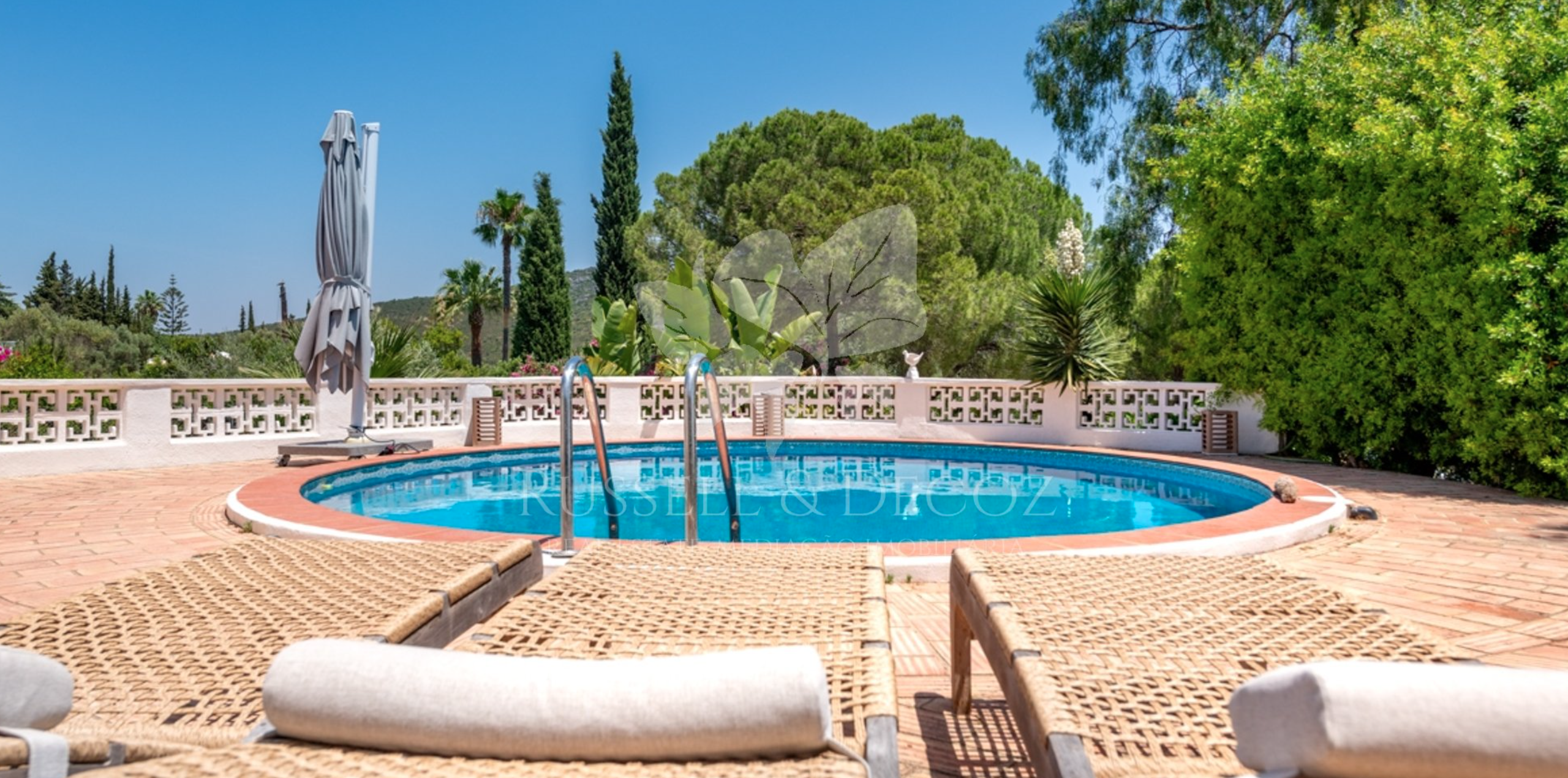
Utilities on a character house track the size of the building and the way you use it. A property left empty for parts of the year obviously draws less, though a garden and any pool still need water through the long dry summer. Mains water and electricity connect as standard in the towns, while some rural quintas around Moncarapacho rely on a borehole or a cistern that needs occasional servicing. Pool maintenance, garden work and the odd gardener or cleaner between visits are the discretionary costs that vary most from one owner to the next, and they are the easiest part of the budget to scale up or down as your use of the house changes.
Working out a realistic yearly figure
Adding it up, the fixed annual costs on a mid range larger character house, meaning property tax, insurance and basic maintenance, commonly land in the low thousands of Euros rather than anything alarming. That is one reason the eastern Algarve keeps drawing buyers who have compared it with pricier western towns. Idealista put the Olhão municipality asking figure at around 3,456 Euros per square metre in mid 2026, below the regional median of 4,165 Euros, and our own reading of the character house segment is that running costs stay proportionate to that gentler entry price. Anyone weighing up olhao property for sale should build a simple yearly budget covering tax, cover and upkeep before committing, and treat pool and garden work as the flexible part. If you would like a candid view of the ongoing costs on a specific house, the team at Russell and Decoz can walk you through the numbers for any property on our books.