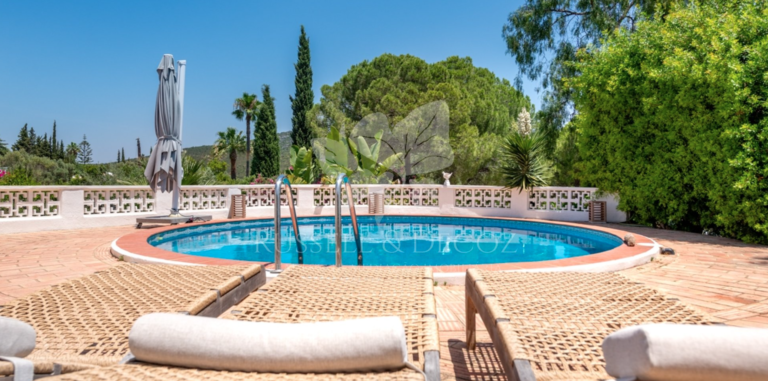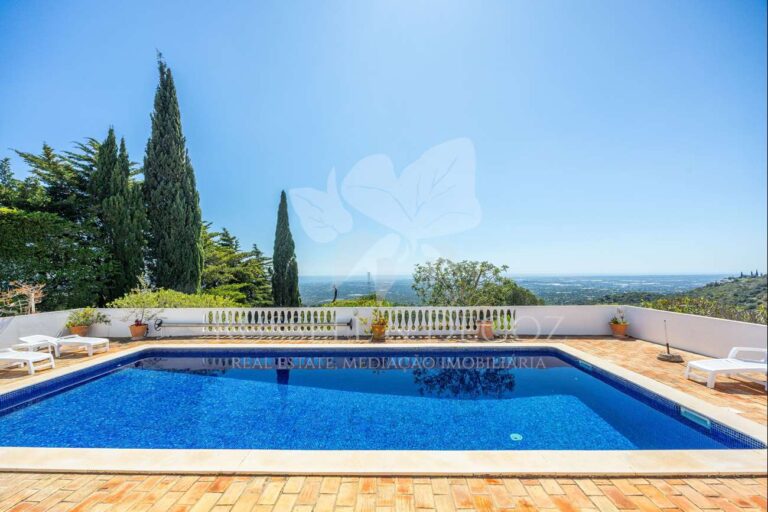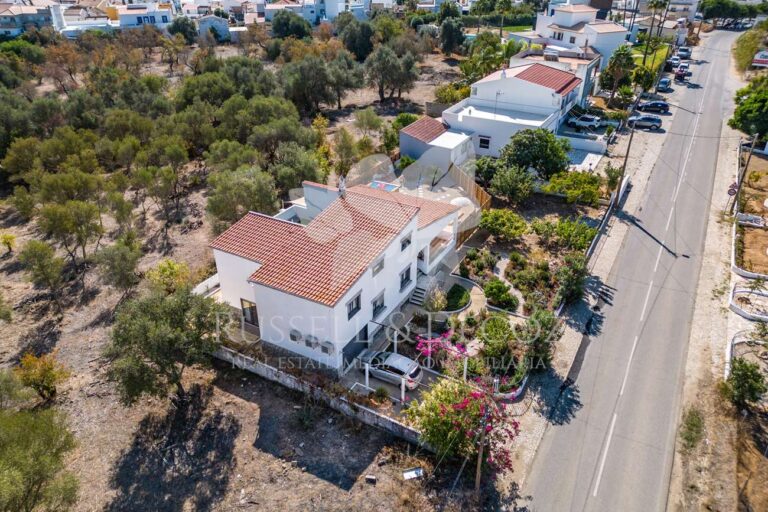

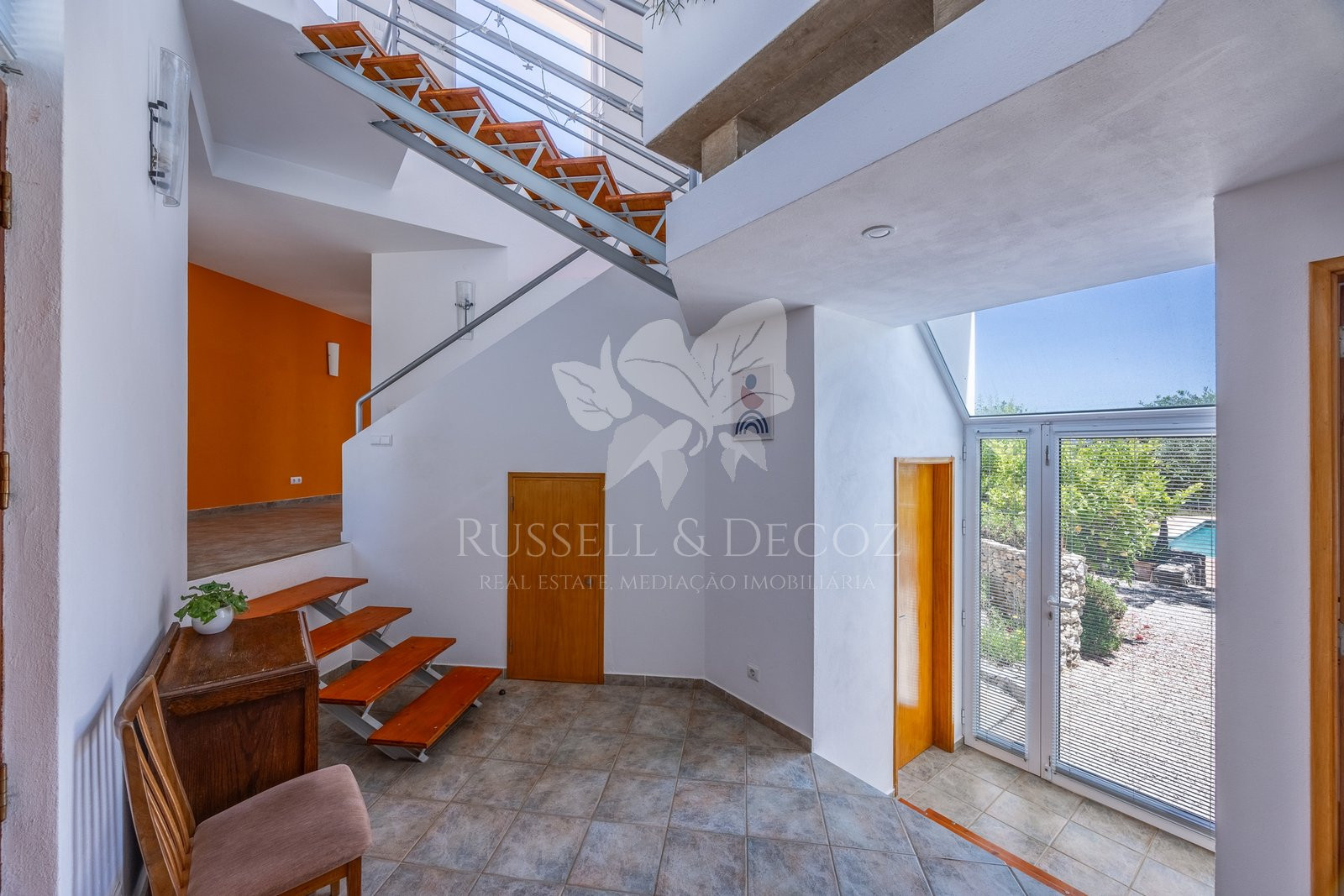
Russell and Decoz works in Olhão, Fuseta and Moncarapacho, where most international buyers are looking for larger single houses with a courtyard or a plot rather than apartments or standard townhouses. Looking towards 2027, two forces stand out for these homes. The first is how few suitable houses reach the market in any given month. The second is what those houses cost to restore once bought. Together they have a strong influence on asking prices here, often more so than the level of buyer interest, which has held steady through 2026.
This article looks at supply, renovation costs and how prices are forming, so that buyers weighing a purchase in the year ahead can judge where value is likely to sit. The figures below come from official data and from our own reading of the eastern Algarve market, and every forward view is offered with the usual caution that markets can move in either direction.
A Thin Supply of Larger Houses
The stock of larger single houses in this part of the eastern Algarve is finite and slow to turn over. The old centres of Olhão and Fuseta are built mainly from narrow single-storey and two-storey townhouses, so the bigger homes with a courtyard, a plot or room for a pool form a smaller group to begin with. Many sit on the edges of the villages or on the gentle rise towards Moncarapacho, and owners tend to hold them for years rather than trade in and out.
Several factors keep new supply limited. Much of the land around Fuseta falls inside the Ria Formosa Natural Park, where building and extension are tightly controlled, and countryside plots around Olhão and Moncarapacho carry their own planning restrictions. Confirming what can be built or changed on a plot near the lagoon sits with your own lawyer, who can check the registry and any conservation constraints. Homes that do reach the market are often bought quickly when priced sensibly, so in 2027 the number of genuinely large houses available at any one time is likely to stay low. That scarcity tends to support prices for the better examples even in a calmer market.
Why Renovation Costs Now Shape Asking Prices
Building costs have risen steadily and this feeds directly into what the larger homes here fetch. The construction cost index for new housing in Portugal rose by 7.4 per cent in the year to September 2026, with material costs up around 7.2 per cent and labour up around 7.7 per cent. Older houses often cost more to restore than those headline figures imply, because structural repair, damp work and the replacement of roofs and services on a century-old building rarely follow a standard budget.
For buyers this matters in two ways going into 2027. A house that has already been restored to a high standard is likely to hold a firm price, because replacing that work now would cost more than it did two or three years ago. A project house can look cheaper on paper, yet the gap between the asking price and a finished home may be wider than buyers expect once current labour and material rates are applied. We generally advise pricing a full renovation carefully before committing, rather than assuming a budget from an older quote still holds.
Where National Price Trends Sit Going Into 2027
National figures show growth that is slowing rather than stopping. Statistics Portugal reported that house prices rose 16.5 per cent in the year to the second quarter of 2026, down from 17.8 per cent in the first quarter and 18.9 per cent at the end of 2025. Sales volumes have also eased over the course of the year. The Algarve remains one of the most expensive regions in the country, which sets the backdrop for the eastern towns even though they sit below the busier coastal resorts.
If that pattern continues, prices around Olhão and Fuseta could see gentler rises in 2027 than in the boom years, though we would caution that a thin local market can behave differently from the national average. A single well-restored house changing hands can move the perceived price level in a village far more than a broad national index would imply, so the averages are better read as a guide rather than a forecast for any one street.
Where Value Sits in the Eastern Algarve
On our own reading of the market, the eastern Algarve still trades below the busier western and central coastal towns, and that gap is part of why buyers from the Netherlands, Germany, Belgium and France keep looking here. Within the area, value in 2027 is likely to cluster in a few places. Larger homes that need modernising, where a buyer can carry out the work in stages, tend to leave the most room to negotiate. Fully restored houses with outdoor space and some distance from the busiest lanes hold their prices most firmly. Plots and homes close to the lagoon carry a premium that reflects both the setting and the limits on building near protected land. These are general observations rather than a valuation, and figures vary a great deal by street, plot and condition.
What This Means for Buyers in 2027
The practical steps follow from the supply and cost picture. Decide early whether you want a restored house or a project, because the two now sit at quite different price points once building-cost inflation is taken into account. Line up your budget and your professional advisers before you view, so you can move when a suitable house appears rather than after it has gone. A good larger house can still sell quickly here, and our note on how long homes here take to sell sets out what recent timings have looked like.
Prices around Olhão and Fuseta in 2027 are likely to rest on scarce stock and the cost of restoration, so the buyers in the strongest position tend to be those who have done their homework and can act when the right house appears. When you are ready to see what is available, you can browse current Olhao property for sale through our listings and speak to us about the larger houses coming up across Olhão, Fuseta and Moncarapacho.